TSUCHI 土 — SOIL, IN JAPANESE
TSUCHI FEST, Kameoka.
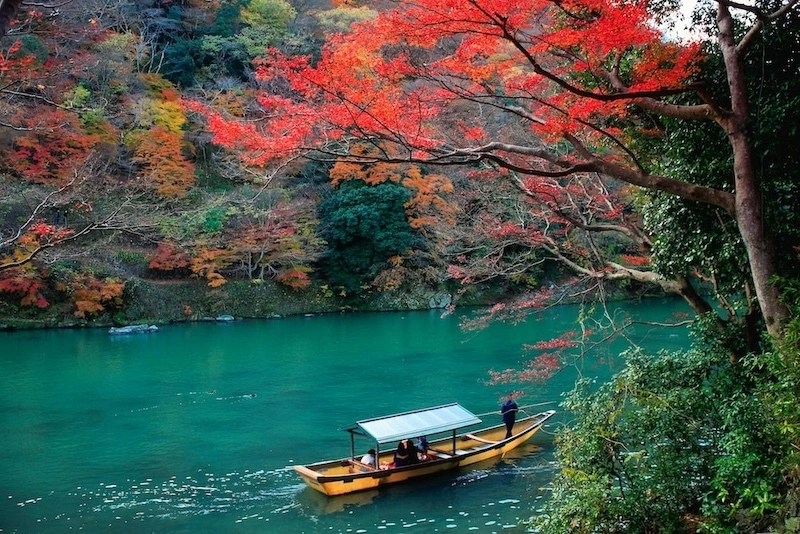
This autumn, the valley that has fed Kyoto for centuries opens its fields, breweries and kitchens to visitors. Come for the festival day alone, or build a longer journey around it.
- 1 day
- In Kameoka
- 12 Oct
- 2026
- 7 guests
- International
- 20 min
- West of Kyoto
The festival
From the soil, to how we live.
Place-based and plant-based.
Everything begins with Tsuchi (土 — soil, in Japanese). We live on top of it — our eating, our living, our water, our forests, our farming, our culture. Everything we do rests on an ecosystem of countless unseen lives beneath the ground.
But somewhere along the way, we drifted from nature — losing the sense of where our food actually comes from, and what land we are truly living on.
Japan has an old word for this: ubusuna (産土) — the land where a person is born, raised, and goes on living in relationship with it. We believe this old word holds a new clue for how to live in the years ahead.
To reconnect people and soil, once again — that is why TSUCHI FEST began in 2025, an international movement that ties the world together through soil.
2026 edition
TSUCHI FEST in Kameoka.
One day. One valley. Chefs from around the world and cooks from Kyoto-Tamba, hands full of ingredients grown right here, making dishes that could only be born in this place.
The second Japanese edition sits inside the "food and agriculture" programme of the National Urban Greening Fair in Kyoto-Tamba. This year's theme, championed by Kameoka City, is PLANT-BASED: meet the land, meet the growers, and taste what happens when agriculture, environment and local life come together.
Twenty minutes from Kyoto Station. Places are limited — book yours before they go.
International guests
The world comes to the valley.
7 special guests - chefs, researchers and food-culture specialists from Europe, the Americas and Asia cook, talk and taste alongside Kyoto-Tamba producers for one day in Kameoka.
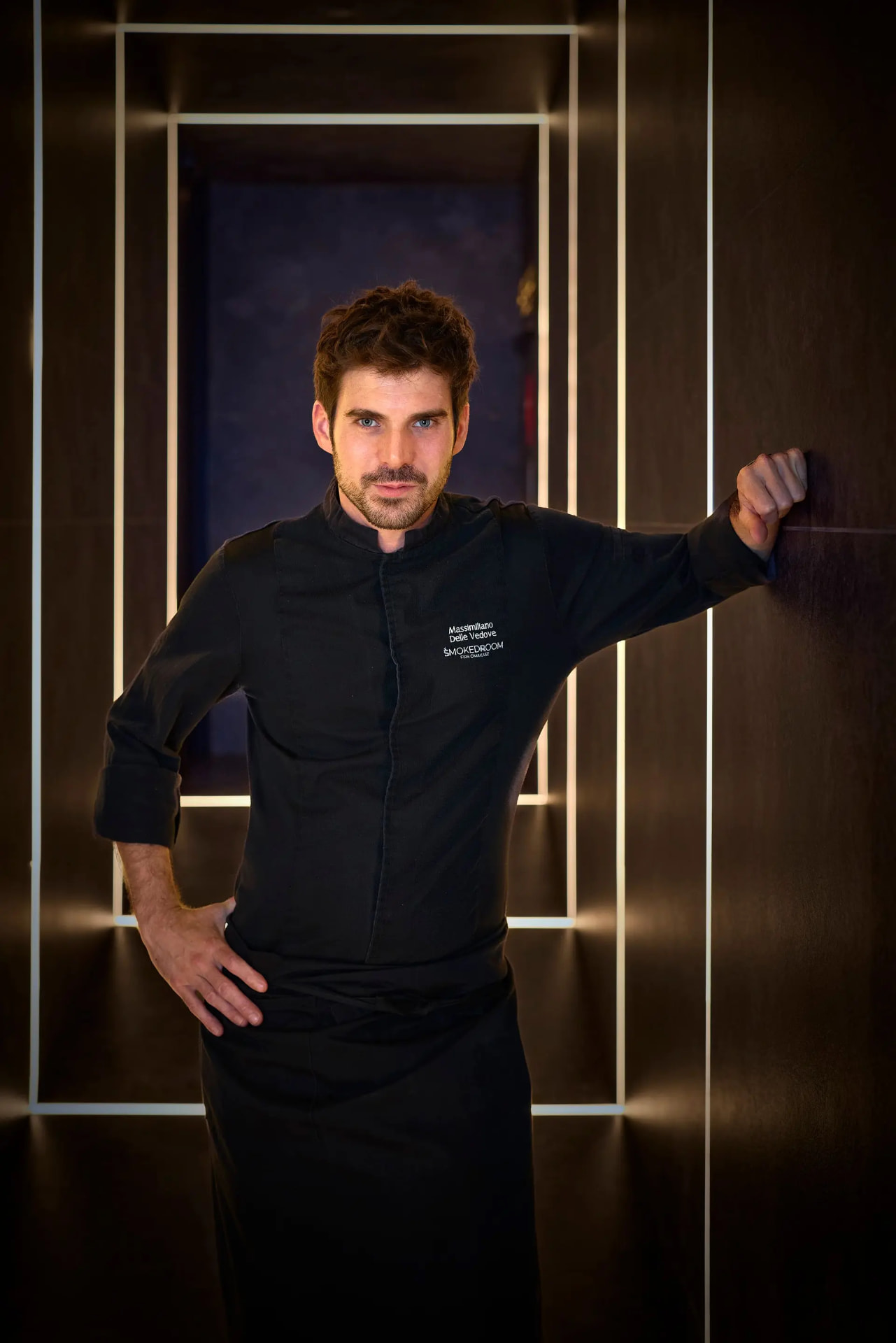
Italy
Massimiliano Delle Vedove
Chef / Executive Chef, Smoked Room (Madrid) ★★ Michelin
View the profile
Born in Italy in 1991. After Mont Bar in Barcelona and Galvin at Windows in London, he became head chef of Smoked Room in Madrid in 2021 — earning two Michelin stars within six months. Known for his mastery of fire and smoke.
Smoke & fire cooking · Fire omakase · Italian-Japanese fusion

Italy
Valeria Margherita Mosca
Cultural anthropologist / Environmentalist Certified environmental guide
View the profile
Valeria founded Wood*ing – Wild Food Lab in 2010, researching wild food for human nutrition and biodiversity conservation. She has spoken for UC Davis, Politecnico di Milano, the Basque Culinary Center, The World's 50 Best and TEDx, and authored five books. Her work reconnects people with nature.
Ethnobotany · Foraging · Biodiversity · Regenerative gastronomy
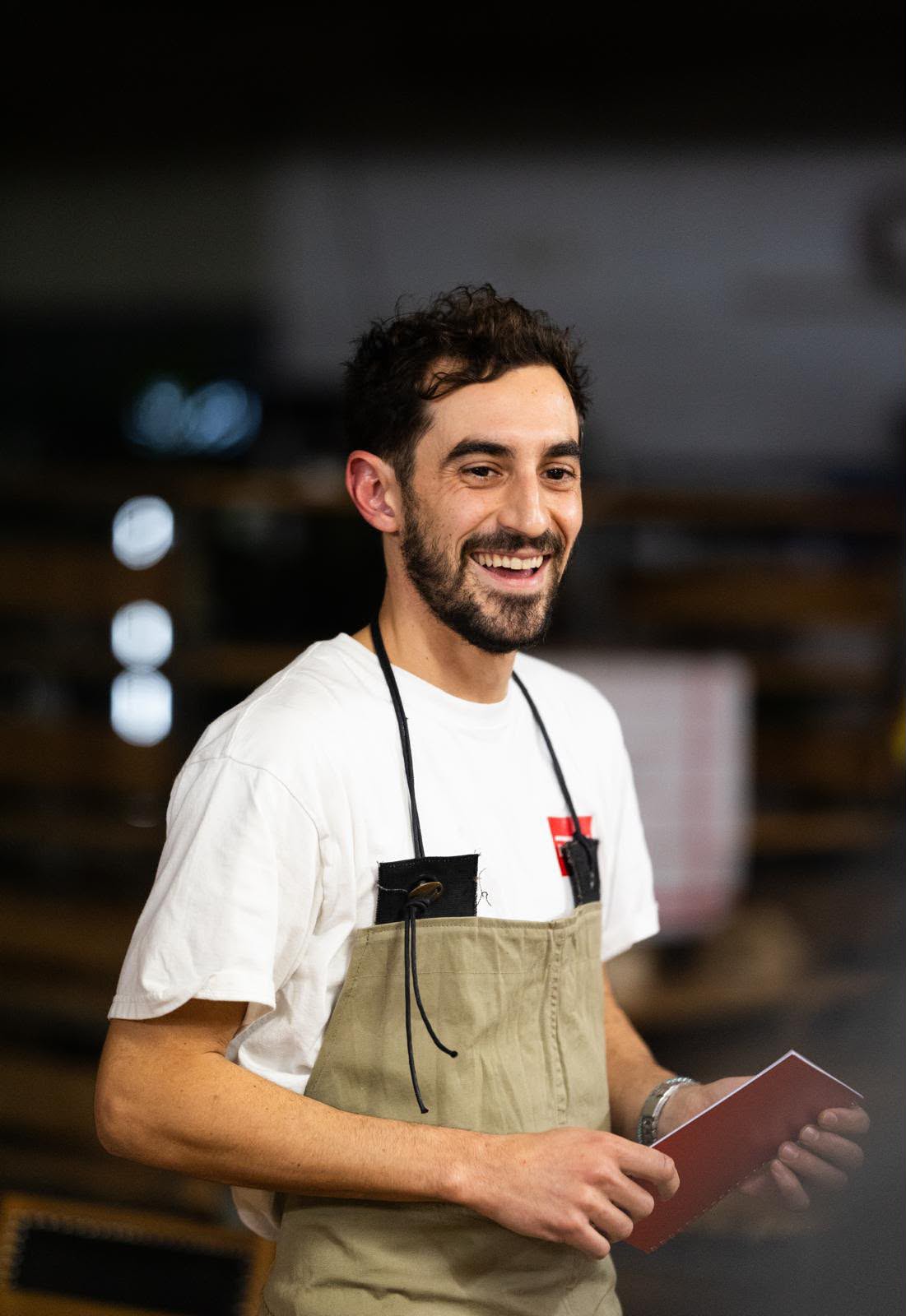
Italy
Lorenzo Dal Bo
Chef / Researcher / Communicator Founder of Cook the Loop & Brendon Zurich
View the profile
Raised among the flowers and plants of his family's business, Lorenzo developed an early sensitivity to the relationship between people and nature. He trained as sous chef at Central (Lima), KOKS (Faroe Islands), Noma (Copenhagen) and Da Vittorio. Through Cook the Loop he champions a regenerative approach to gastronomy.
Regenerative gastronomy · Cook the Loop · Terroir · Fermentation
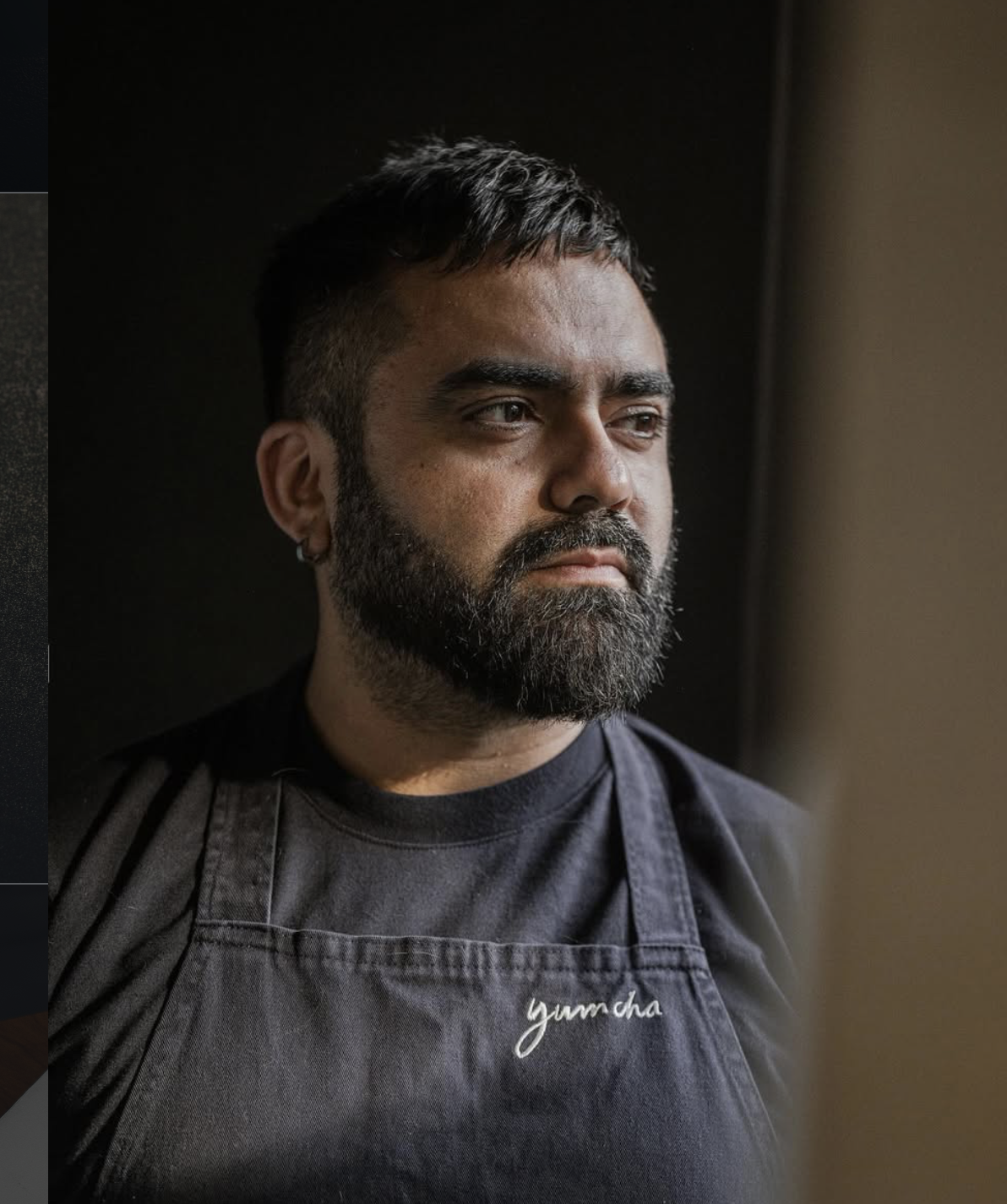
Chile
Nicolás Tapia
Founder & Executive Chef Yum Cha (Santiago, Chile) #28 Latin America's 50 Best Restaurants
View the profile
Nicolás Tapia has built a restaurant around tea, treating it with the same attention usually given to wine in fine dining. His 10-course menu combines Asian techniques and flavours with Chilean seafood and vegetables, with sauces at the centre of his cooking. Before opening Yum Cha in 2022, he worked at restaurants including Quintonil, Gaa, Taubenkobel, Lasai and Kresios.
Tea · Contemporary Asian cuisine · Chilean ingredients
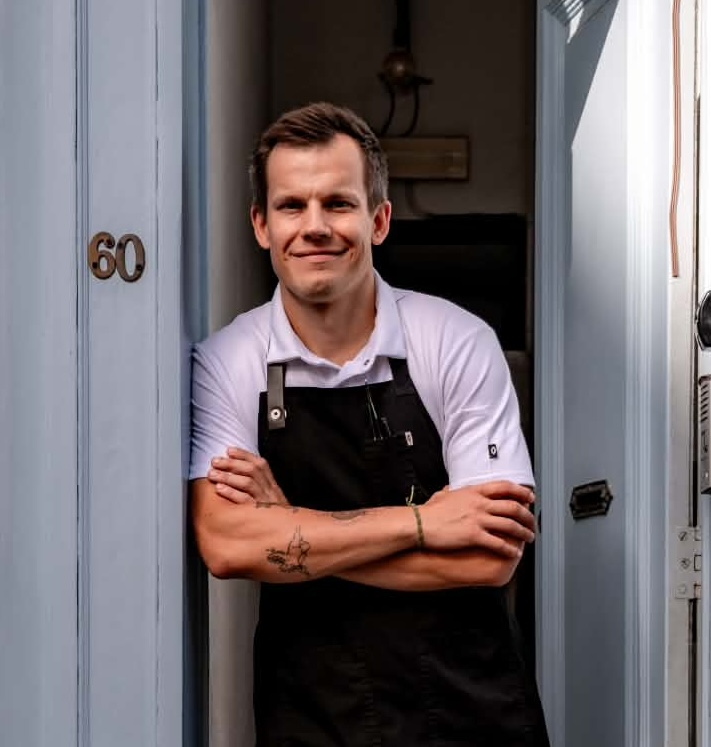
Belgium
Jakub "Kuba" Blogowski
Chef / Founder of Soixante, Antwerp Modern Polish cuisine · Michelin-recommended
View the profile
A Polish chef who brings the flavours and traditions of his homeland into a contemporary expression. Trained at Belcanto in Lisbon, Bibendum in London and Le Pristine in Antwerp, he now leads Soixante — reworking pierogi, łazanki and szarlotka with uncompromising flavour and seasonality.
Modern Polish cuisine · Pierogi & łazanki · Seasonal, ingredient-driven cooking
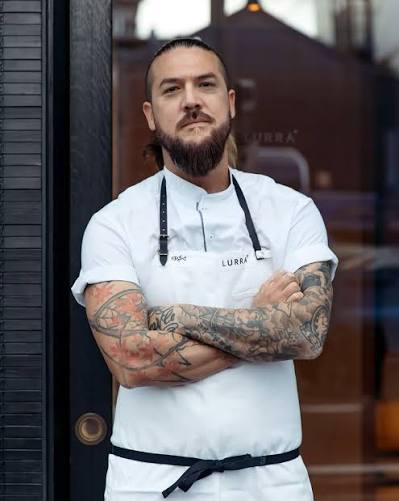
JAPAN / USA
Jacob Kear
Chef / Owner, LURRA° (Kyoto) ★ Michelin
View the profile
Born to a Japanese mother and raised between Japan and the US. After training in kitchens worldwide, including Noma, he opened LURRA° in Kyoto in 2019, earning a Michelin star in 2020. Known for foraging wild ingredients himself in the mountains around Kyoto.
Firewood cooking · Foraging · Kyoto ingredients

Italy
Vincenzo di Nuzzo
President, ONAS (Organizzazione Nazionale Assaggiatori Salumi)
View the profile
President of ONAS, Italy's only national association for the sensory evaluation and certification of salumi experts. He has long championed sensory analysis, taster education and the preservation of Italy's charcuterie heritage. At TSUCHI FEST he joins as a tasting and food-culture specialist.
Salumi tasting · Terroir · Craftsmanship
What happens
One day, six threads.
The programme runs across the grounds from morning to evening. No tickets to individual sessions — you follow what interests you.
International chef collaborations
Chefs from Japan and abroad cook together over fire and open kitchens, with live demonstrations through the day.
Regenerative gastronomy and biodiversity talks
Growers, researchers and cooks on soil health, seed diversity and what regenerative cooking actually means in practice.
Farmers' market and artisan village
Rice, vegetables, soy sauce, miso, sake, tea, ceramics and textiles — sold directly by the people who make them.
Wild food, foraging and fermentation
Wild-food tastings, foraging knowledge from the valley, and fermentation sessions rooted in Japanese food culture.
Soil, agriculture and environmental workshops
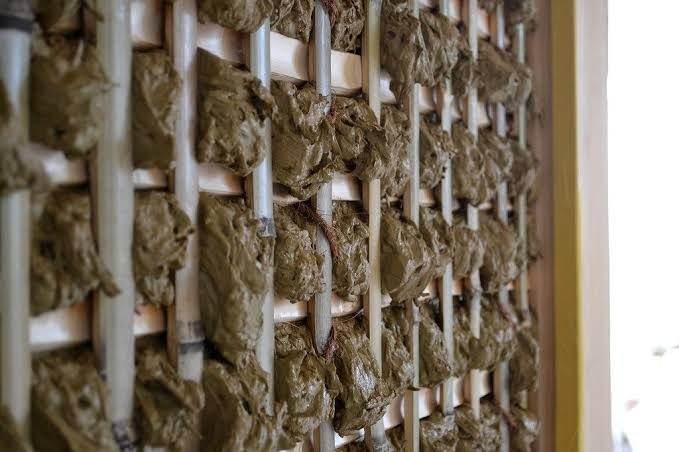
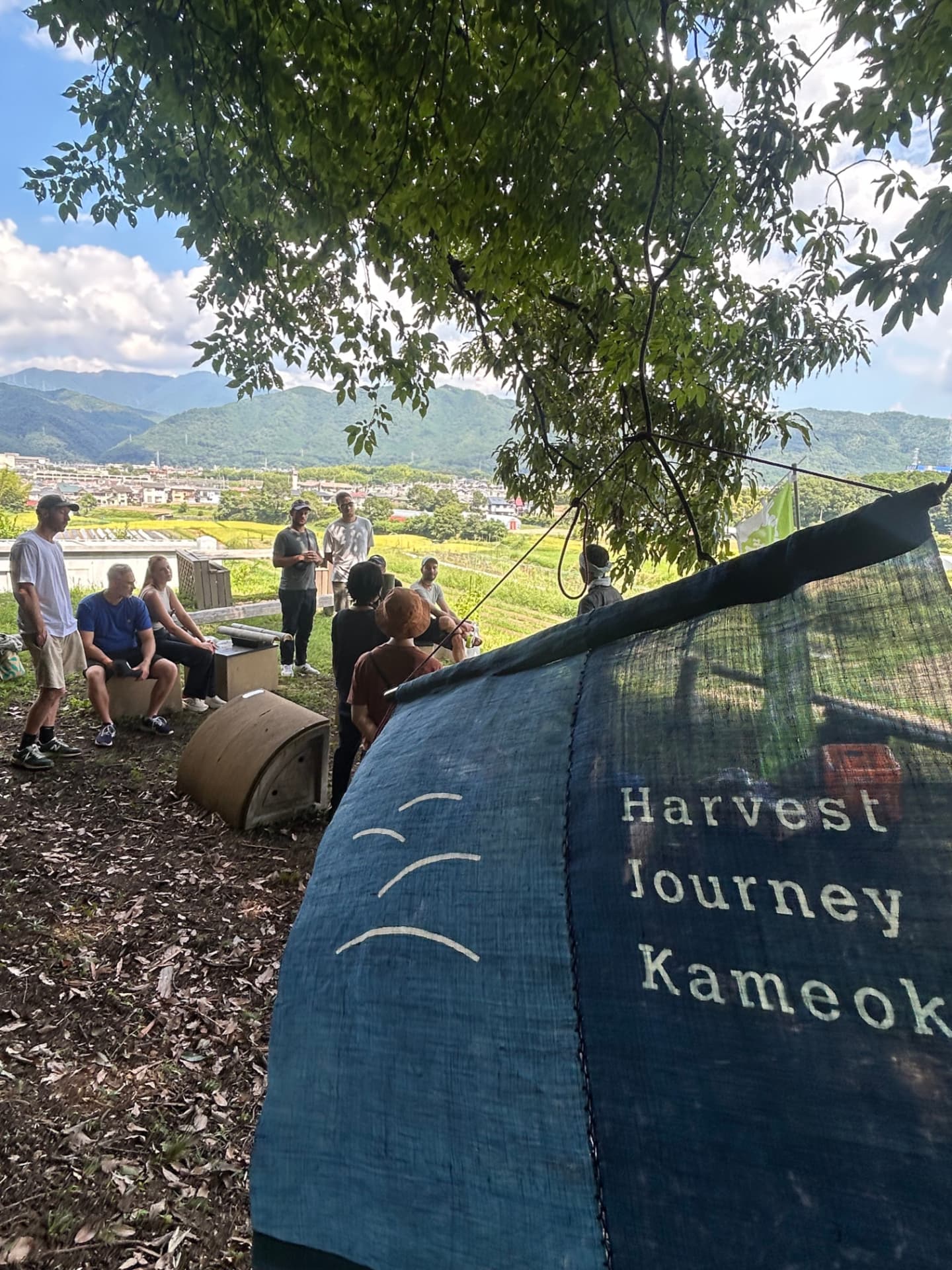
Hands-on sessions with local farmers: harvesting, composting, seed saving and rice-terrace maintenance.
Art, craft and cultural performances
Open-air art, craft demonstrations, music and family-friendly outdoor activities all day.
Detailed programme
Tsuchi Festival Day 12 October 2026
A place-based and plant-based festival for soil, culture, life, and the future.
TSUCHI FEST isn't just an event where you eat. Watch chefs work with plant-based ingredients. Listen to producers share their stories. Let children experience soil and food firsthand. Relax on the grass while listening to music. However you choose to enjoy it, savour a day in Kameoka.
11:00
TSUCHI FEST Start
Lorem ipsum dolor sit amet, consectetur adipiscing elit. Sed do eiusmod tempor incididunt ut labore.
11:10
Plant-Based Tasting
Lorem ipsum dolor sit amet, consectetur adipiscing elit. Sed do eiusmod tempor incididunt ut labore.
11:30
Special Talk vol.01
Lorem ipsum dolor sit amet, consectetur adipiscing elit. Sed do eiusmod tempor incididunt ut labore.
12:00
Plant-Based Meet-Up
Lorem ipsum dolor sit amet, consectetur adipiscing elit. Sed do eiusmod tempor incididunt ut labore.
13:00
Workshop vol.01
Lorem ipsum dolor sit amet, consectetur adipiscing elit. Sed do eiusmod tempor incididunt ut labore.
13:30
Special Talk vol.02
Lorem ipsum dolor sit amet, consectetur adipiscing elit. Sed do eiusmod tempor incididunt ut labore.
14:00
Workshop vol.02
Lorem ipsum dolor sit amet, consectetur adipiscing elit. Sed do eiusmod tempor incididunt ut labore.
14:30
Special Talk vol.03
Lorem ipsum dolor sit amet, consectetur adipiscing elit. Sed do eiusmod tempor incididunt ut labore.
16:00
TSUCHI FEST Close
Lorem ipsum dolor sit amet, consectetur adipiscing elit. Sed do eiusmod tempor incididunt ut labore.
Programme and times are subject to change.

Where it happens
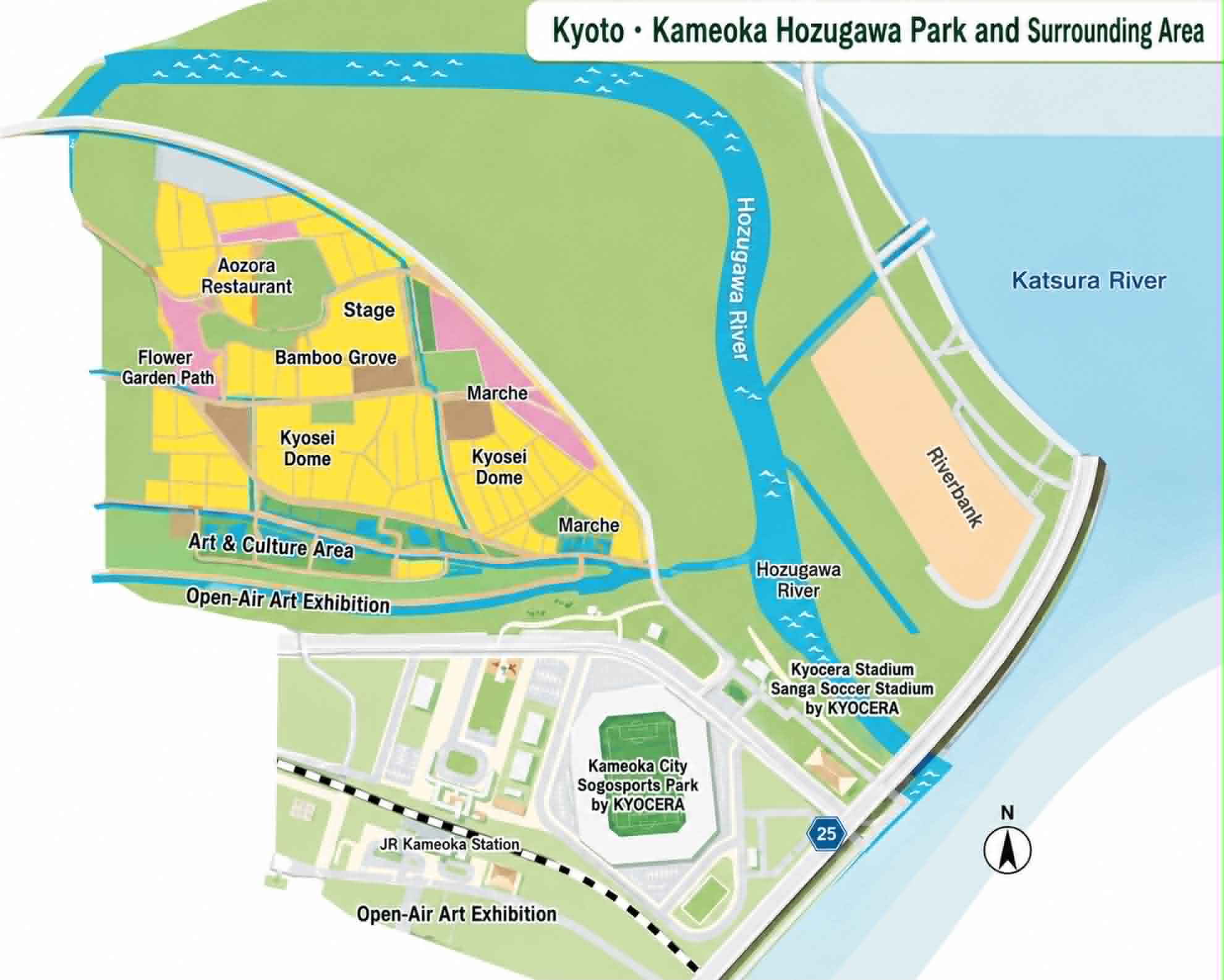
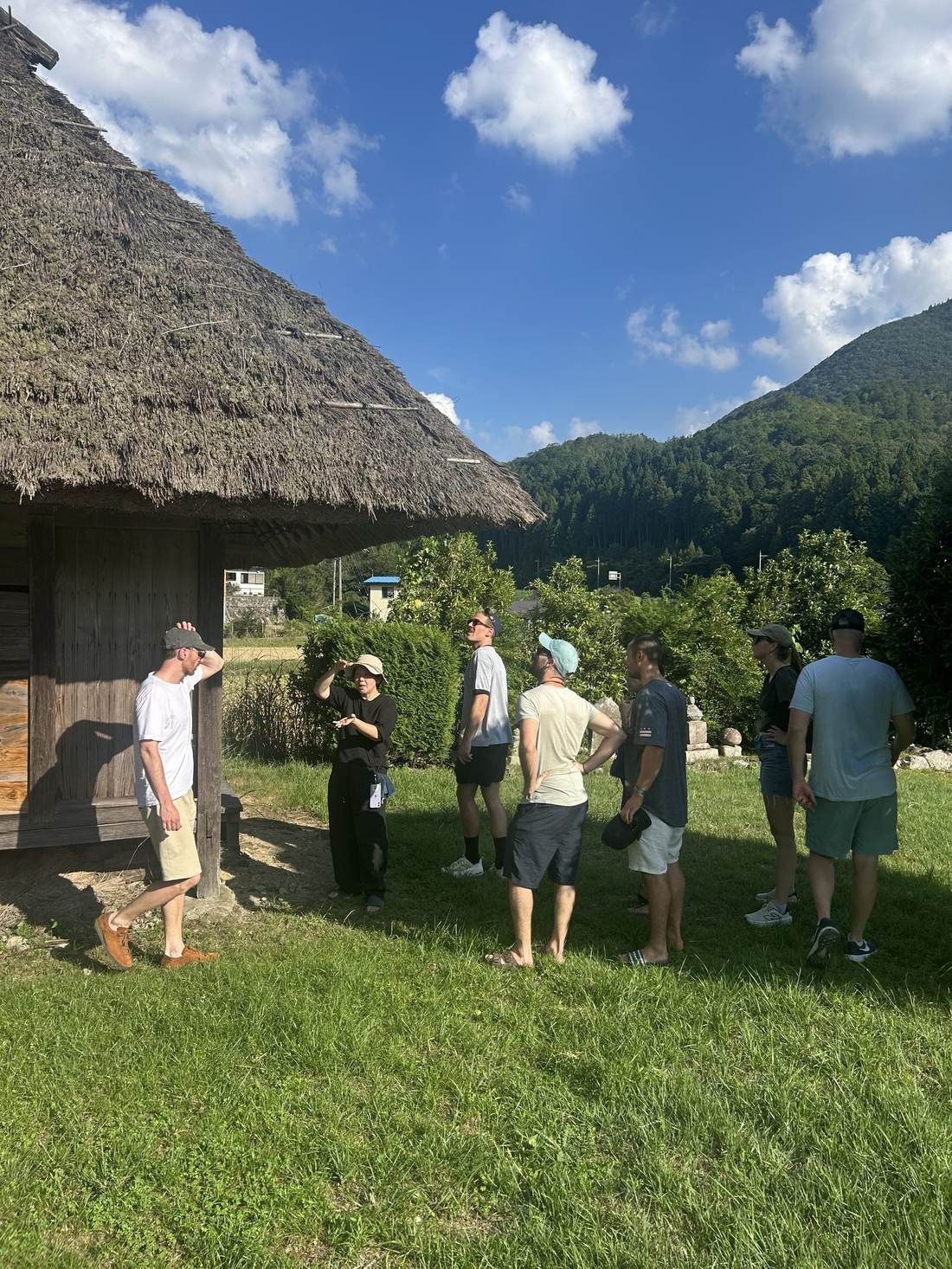
Hozugawa Park, between the river and the rice terraces.
The festival grounds sit on the Hozugawa river in Kameoka, with the stage, marché, Kyosei domes, bamboo grove and the open-air art exhibition all within walking distance of JR Kameoka Station.
Kameoka is twenty minutes by train from Kyoto Station, so the festival works as a day trip from the city — or as the centre of a longer stay in the valley.
TSUCHI FEST 2026 · Pre-event
TSUCHI FEST Torino
Quotidianità che Cura Giapponese A Japanese Taste of Care: Meals that Nurture Peace of Mind
25 September 2026 · 18:00–21:30 · Magazzino OZ, Torino
A month before the main festival, we gather in Torino for one night. If you happen to be in Italy, join us.
One evening, one long table: ramen, okonomiyaki and dashi cooked in front of you, the way TSUCHI FEST does it back in Japan — food as an act of care, shared standing around a griddle. Between the plates, we open up the threads that run through the festival: fermentation, ethnobotany, biodiversity, community and the quiet work of feeding people well.
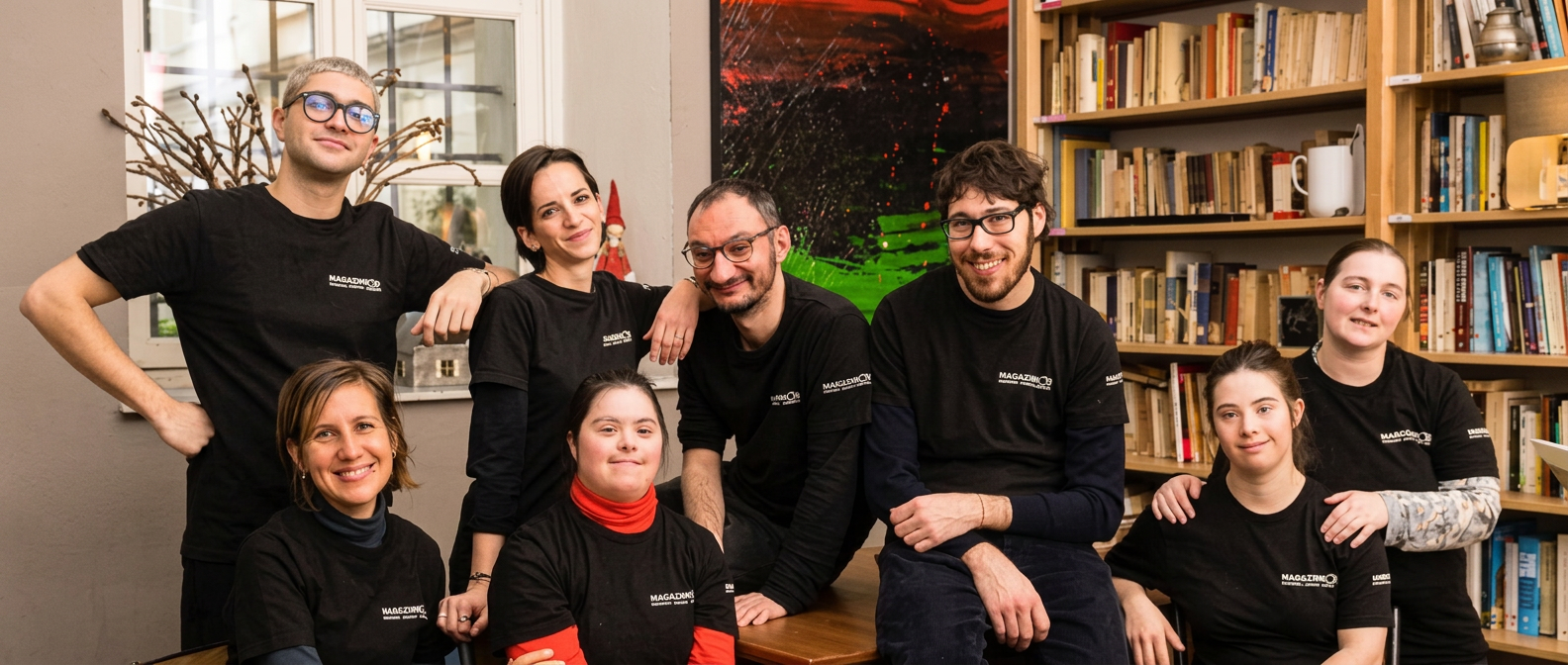
Our host is MagazziniOz, a restaurant and café run by Casa Oz — a social enterprise where young people with disabilities do real work. Their idea of "a daily life that heals" is exactly what we come to Torino for.
Go deeper
Want more than one day?
The festival sits inside two longer programmes: an eight-day Fellow Programme for chefs and food professionals, and a nine-night Guest Journey through Kyoto, the valley and a regional retreat.