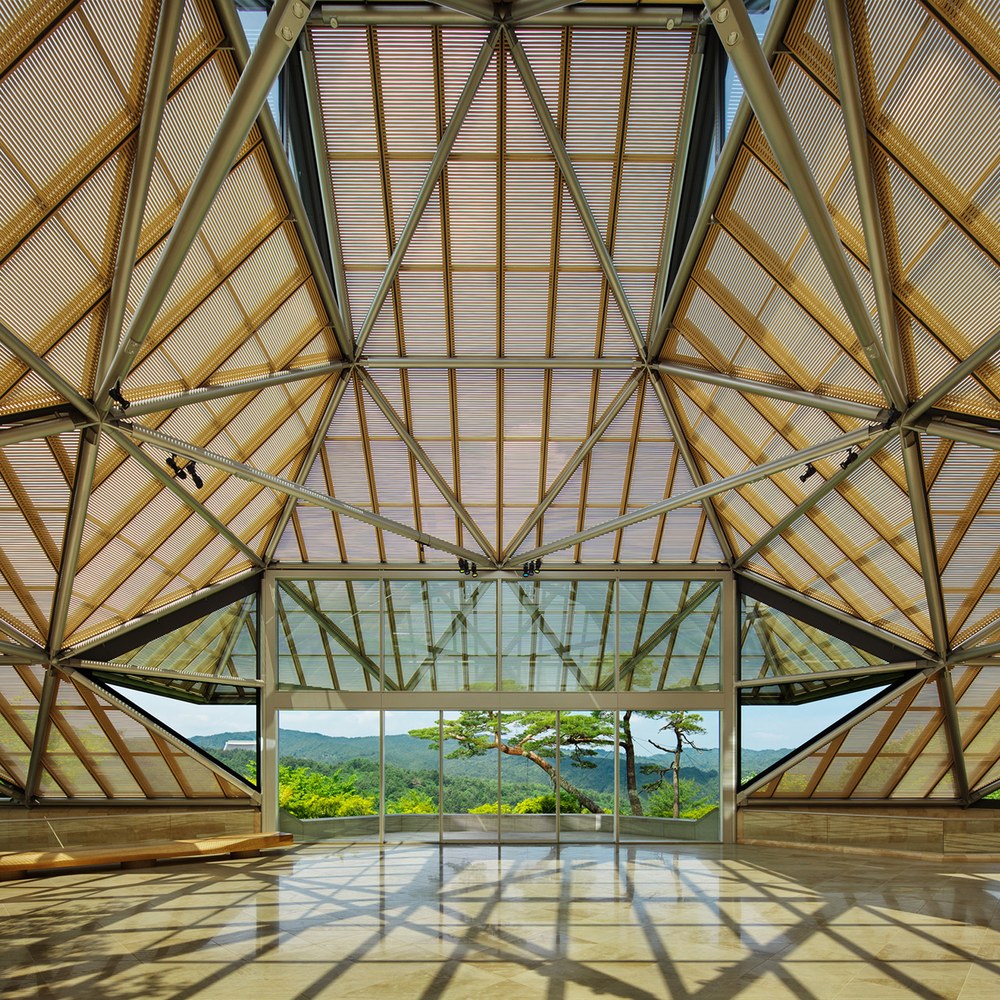
MIHO MUSEUM interior — timber and glass roof opening onto the forested mountains of Shiga

RETREAT PROGRAM

Kyoto & Shiga Tracing Origins  of Making

Journeys into Nature, Culture and Human Creativity 

Kyoto / Oct 13–15, 2026

The journey

A Journey into Nature, Culture and Human Creativity

Where does making come from? At a time when AI is advancing rapidly, the meaning of “what it is to make by hand” is being asked anew.

This tour goes beyond viewing art and craft objects to trace the earth, water, land, and human life that lie behind them: architecture, gardens, microbes, wagashi (Japanese confectionery), knives, and mingei (folk craft). Beneath these seemingly separate fields of making lies a shared philosophy — living alongside nature and drawing on the materials of the land.

What we hope participants will take away

  • Making does not begin with the object — it begins with the land.

  • Nature is not a resource, but a partner in cultivating creativity.

  • The artisan carries the memory of a place forward into the future.

  • In the age of AI, we are called to reconsider the value of culture made by human hands.

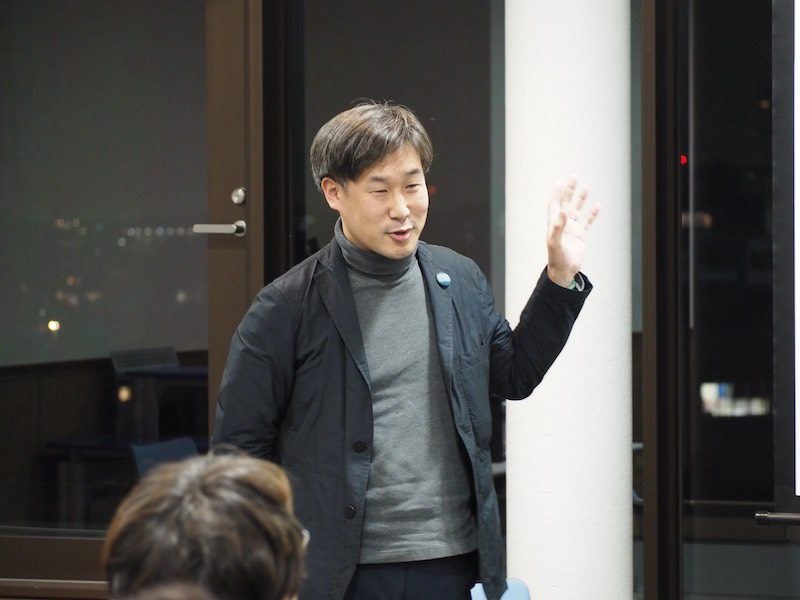
Koh Kitabayashi speaking to a group in Kyoto

Host

Koh & Kana Kitabayashi

Founders of COS KYOTO, which plans and organizes Art Design Kyoto and the Kyoto Triennale. Specialists in art and craft, and researchers of “Edononomy” — bringing the circular society of the Edo period to life in the present.

Tour itinerary

Three days, three themes

DAY 1 Oct 13 (Tue)

Earth

What Makes a Place Capable of Making?

Kyoto Station → MIHO MUSEUM → Lunch → Shimamoto Microorganism Co. → Overnight in Otsu

DAY 2 Oct 14 (Wed)

Water

How Does Water Shape Culture?

Otsu → Kifune Shrine & water source → Lunch → Wagashi-making workshop at Kameya Yoshinaga → Shokudogu Takegami → Overnight in Kyoto

DAY 3 Oct 15 (Thu)

People

Why Do We Continue to Make?

Kawai Kanjiro's House → Dialogue Lunch → Kyōto YouMe Triennale (Shosei-en)

DAY 1|Oct 13

Earth

What Makes a Place Capable of Making?

Highlights

  • Learn a philosophy shared across architecture, craft, and landscape design: working in collaboration with nature.

  • Consider the question: is soil a resource, or is it a living thing?

  • Experience the cycles of microorganisms, fermentation, and soil firsthand on a working farm.

  • Reframe soil not as something to be managed, but as something to be nurtured.

MIHO MUSEUM interior with its timber and glass roof structure

MIHO MUSEUM

A museum whose architecture itself speaks of coexistence with nature.

Designed by I.M. Pei, the architect known for the glass pyramid at the Louvre. Modeled on the world of the classical Chinese tale “Peach Blossom Spring,” the approach to the museum — through a grove of cherry trees, a tunnel, and a suspension bridge — is itself designed as a “modern-day utopia.” With roughly 80% of the building embedded in the mountainside, the museum embodies not the idea of humans dominating nature, but of architecture dissolving into it, preserving the landscape intact.
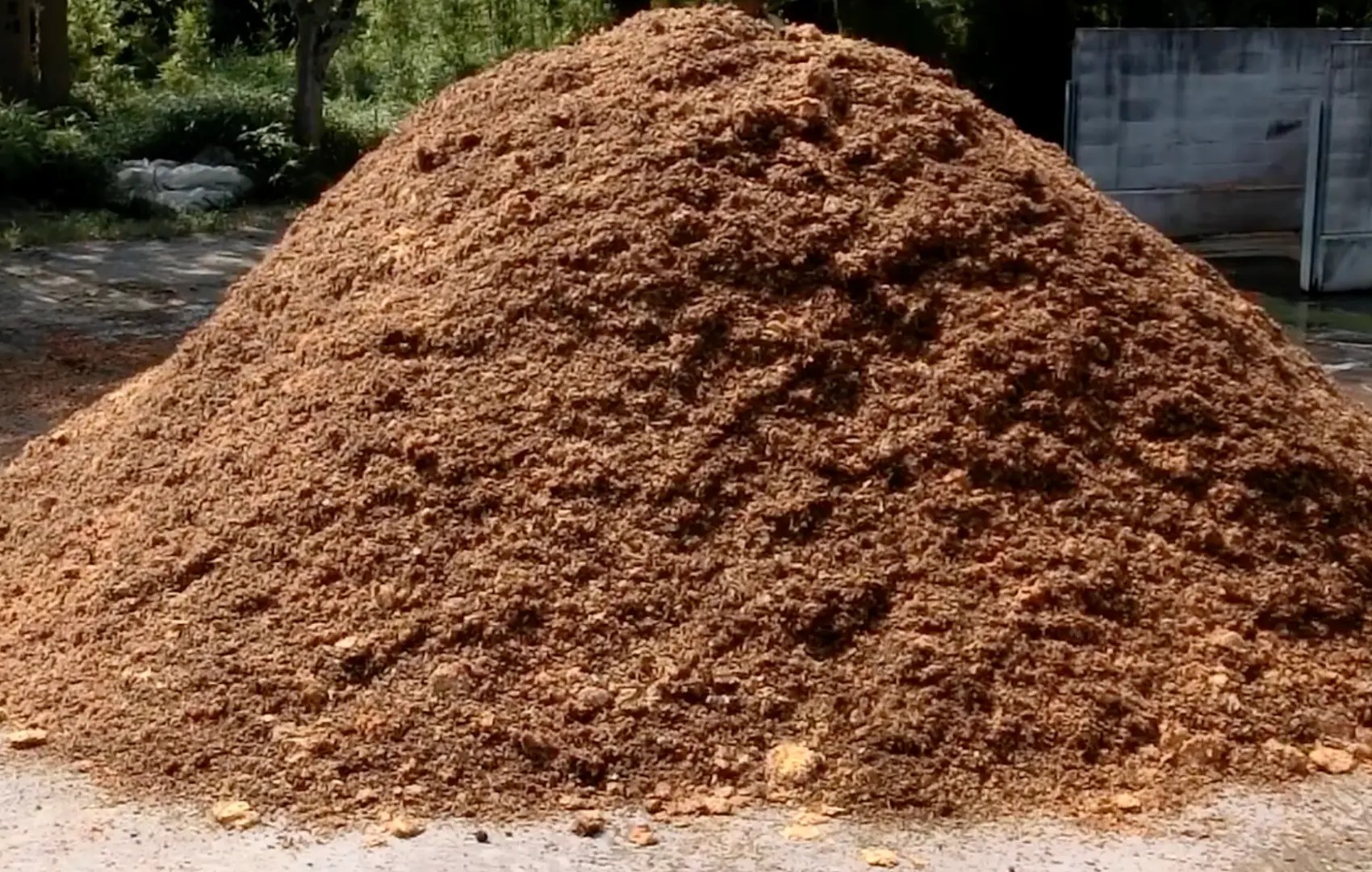
A large mound of fermenting compost at the Shimamoto Microbial Farming Method research farm

Shimamoto Microorganism Co.

Soil is a living environment that nurtures life.

Guided by the belief that “healthy crops come from healthy soil,” Shimamoto Microorganism Co. has researched and practiced soil-building that harnesses the power of microorganisms. Rather than treating soil merely as a growing medium, the company views it as a living ecosystem, drawing out its innate strength through beneficial microbes and fermentation — an approach known as the Shimamoto Microbial Farming Method. Walking the research farm's actual fields, participants learn how soil, microorganisms, and plants interact and cycle together. This idea of nurturing the life force of the soil — rather than “growing” through chemistry — offers valuable insight for the future of making and environmental design alike.

DAY 2|Oct 14

Water

How Does Water Shape Culture?

Highlights

  • Trace the source of the water that has nurtured Kyoto's culture.

  • Understand water not as a mere resource, but as something that sustains faith, daily life, and making.

  • Experience how pure water underpins the quality of Japanese crafts — from wagashi to knives.

  • Encounter the Japanese philosophy of making: drawing on nature's gifts and using things for a long time.

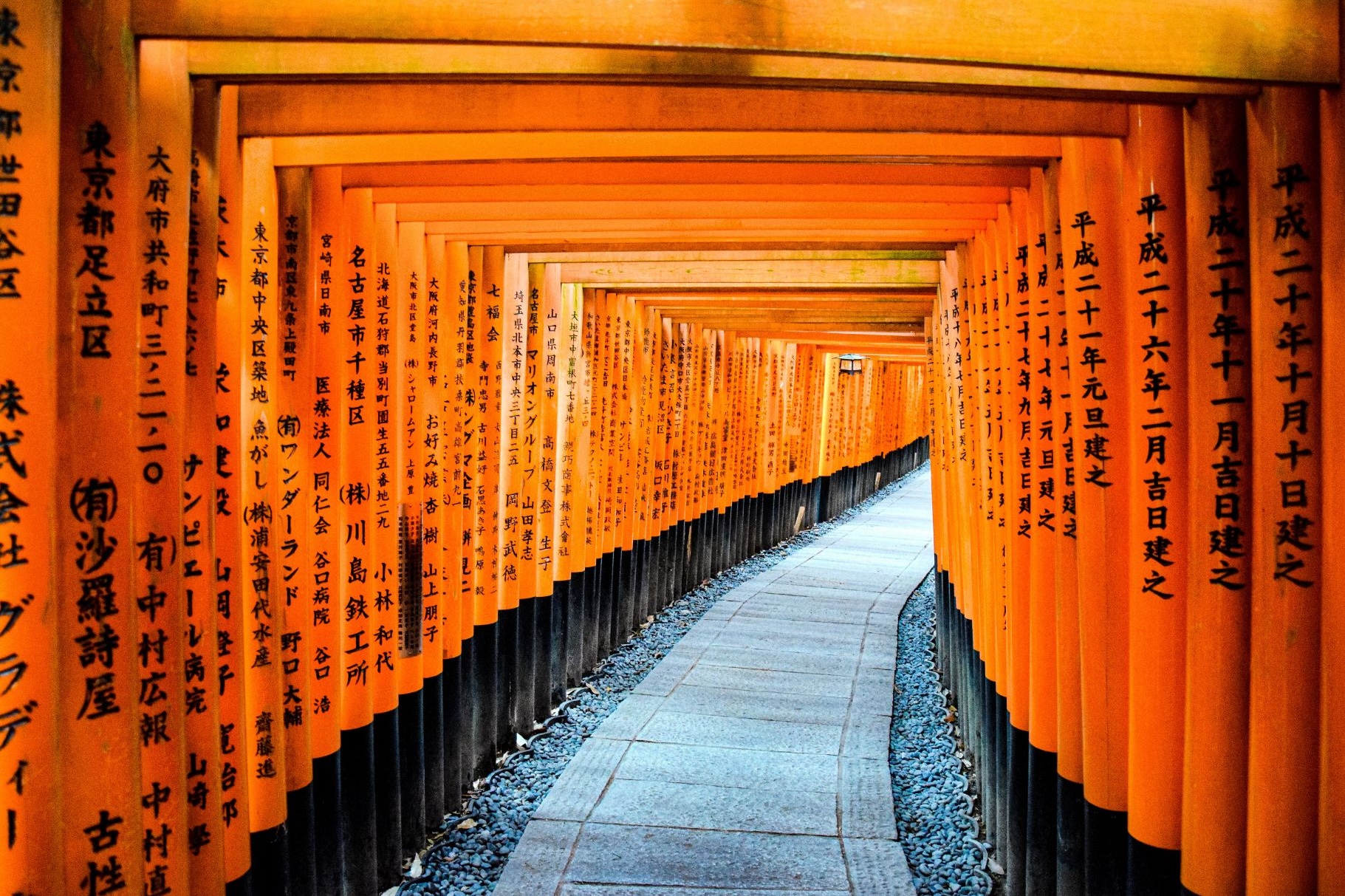
A path running through a tunnel of vermilion torii gates at a Kyoto shrine

Kifune Shrine & Sagenta

Visiting the origin of the water that nurtures Kyoto's culture.

Kifune Shrine has long been worshipped as the guardian of Kyoto's water sources. Located at the headwaters of the Kamo River, water here has sustained not only life and agriculture, but also Kyoto's daily life, culture, and making. Participants sense the rich water cycle nurtured by the land's terrain and forests, and learn the history of how people and nature have coexisted here. Lunch is served at Sagenta, a restaurant that makes the most of Kifune's natural, riverside setting. Spending time alongside the flow of the water is itself a way to experience the character of this land.

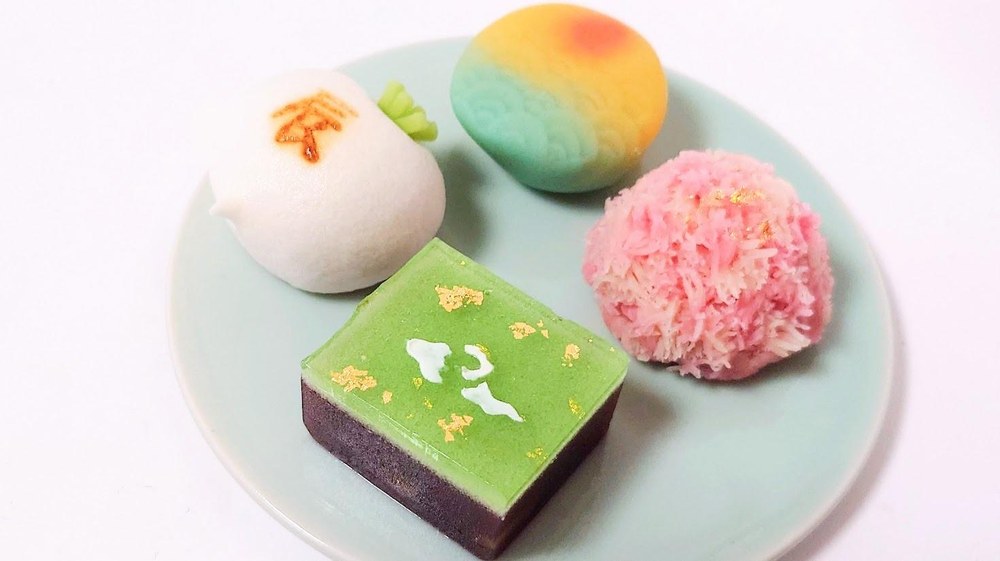
A plate of four seasonal wagashi sweets in soft pastel colours

Wagashi-Making Workshop at Kameya Yoshinaga

Water becomes wagashi.

Founded in 1803, the Kyoto confectionery house Kameya Yoshinaga has continued to make seasonal wagashi using Kyoto's fine groundwater. In this hands-on workshop, participants learn how not just ingredients, but the quality of the water, the season, and the artisan's delicate handwork all come together to create a single sweet. Here, participants experience a distinctly Japanese form of making, in which the invisible quality of water takes shape as beauty and flavor.

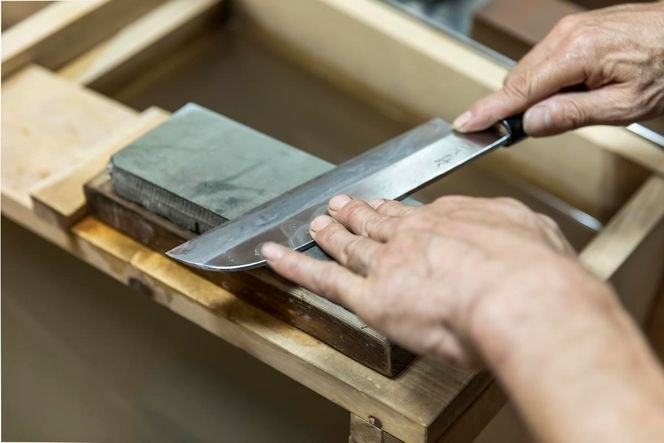
Hands sharpening a Japanese kitchen knife on a whetstone

Shokudogu Takegami

A culture of nurturing and passing on tools.

Shokudogu Takegami values the philosophy of “repairing to use for a long time,” carrying Japan's knife culture into the present through blade adjustment, honing, and restoration. Rather than selling new knives, the shop finds value in drawing out the full performance of a single blade and keeping it in use for a lifetime — a stance that epitomizes Japanese making. Participants encounter the knife not simply as a tool, but as a “lifelong instrument” shaped and nurtured by human hands.

DAY 3|Oct 15

People

Why Do We Continue to Make?

Highlights

  • Experience a Japanese aesthetic in which “making” and “living” are one and the same.

  • Encounter the idea that creativity lies not in the object, but in the way one lives.

  • Reflect on three days of learning and consider what it means to “make by hand” in the age of AI.

  • Carry these lessons forward into your own creativity and practice through the Kyōto YouMe Triennale.

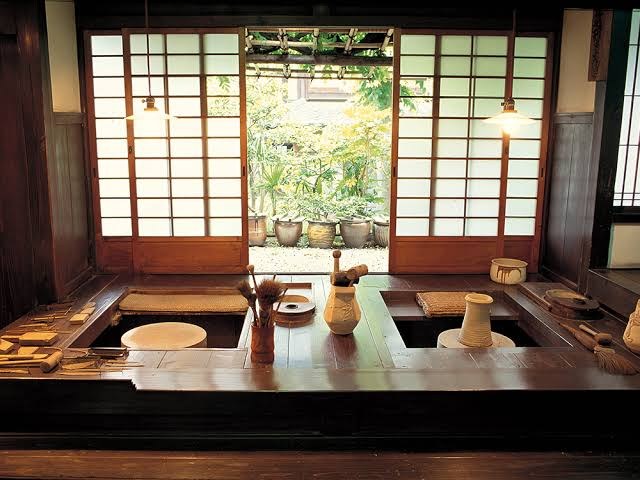
Interior of Kawai Kanjiro's House looking out onto the garden through shoji screens

Kawai Kanjiro's House

Life itself becomes the work.

The potter Kawai Kanjiro regarded not only his ceramics, but his home, furniture, garden, and entire way of life as a single act of creation. Inside the house, ceramics, woodwork, sculpture, and architecture blend seamlessly, embodying the philosophy of “beauty in use.” Rather than simply viewing his works, visitors are invited to ask: how should one live, and how should one make?

Dialogue Lunch

A lunch that brings the journey together as a single experience.

Through vessels, food, space, and conversation, participants reflect on the acts of making encountered over the three days.

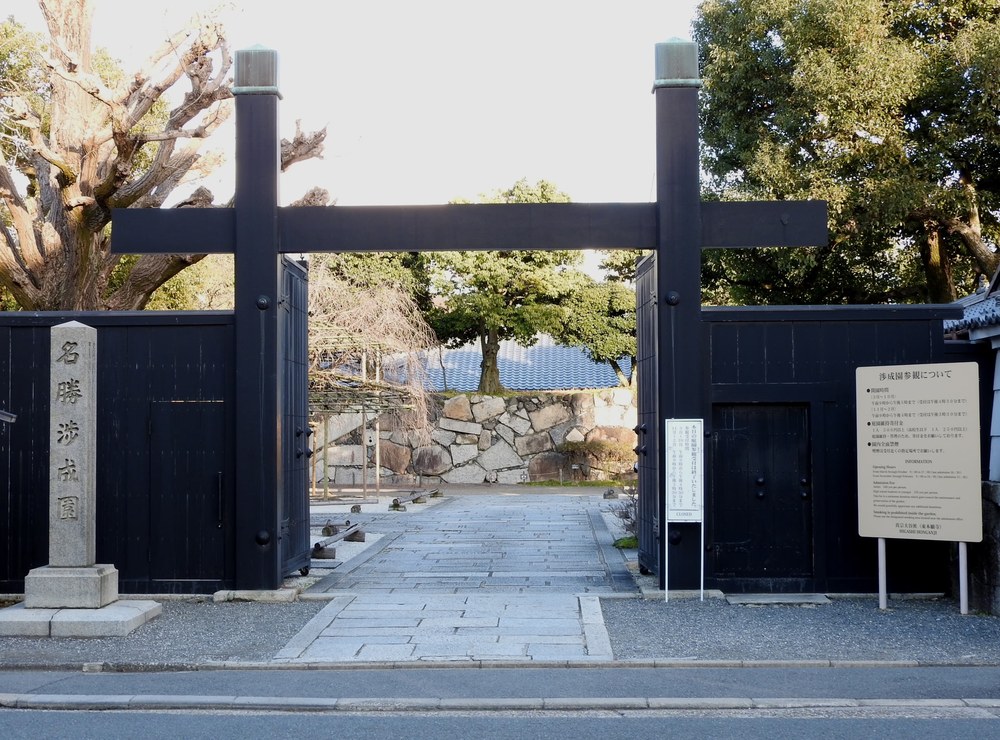
The black timber gate of Shosei-en garden in Kyoto

Kyōto YouMe Triennale (Shosei-en) — optional

Why do humans make, in the age of AI?

After three days of experience, participants engage with the exhibitions of the Kyoto YouMe Triennale, each reconsidering the meaning of “making” from their own point of view.

Part of the Guest Journey

Last three days of the nine-day journey.

The Kyoto & Shiga retreat is one of two closing retreats in the Guest Journey,  7–16 October 2026.