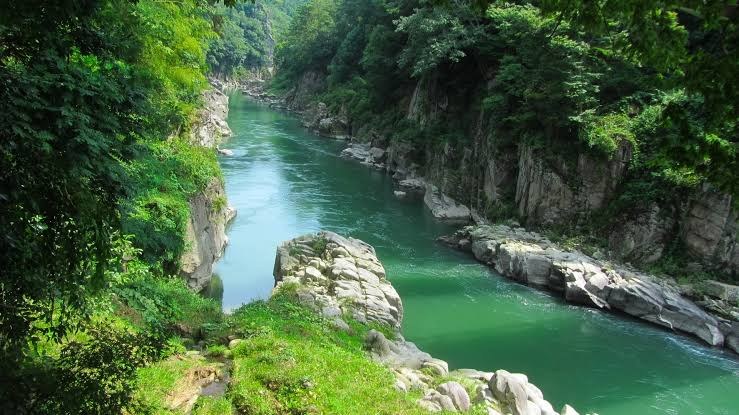
The Tenryu River running emerald green through the Tenryukyo gorge

RETREAT PROGRAM

Nagano · Ina Valley Relationship Between Buildings & Life

A tour through mountain village architecture, satoyama cycles and river culture.

3 NIGHTS, 4 DAYS

RETREAT LOCATION

A land shaped by its mountains and rivers

The Ina Valley region of Nagano Prefecture lies between the Southern and Central Japan Alps. This land still holds onto a way of Japanese living and building culture shaped by life alongside its mountains and rivers.

Rather than simply visiting tourist sites, this tour centers on the theme of “the relationship between buildings and life,” inviting participants to experience the culture and relationship with nature that this region has carried forward.

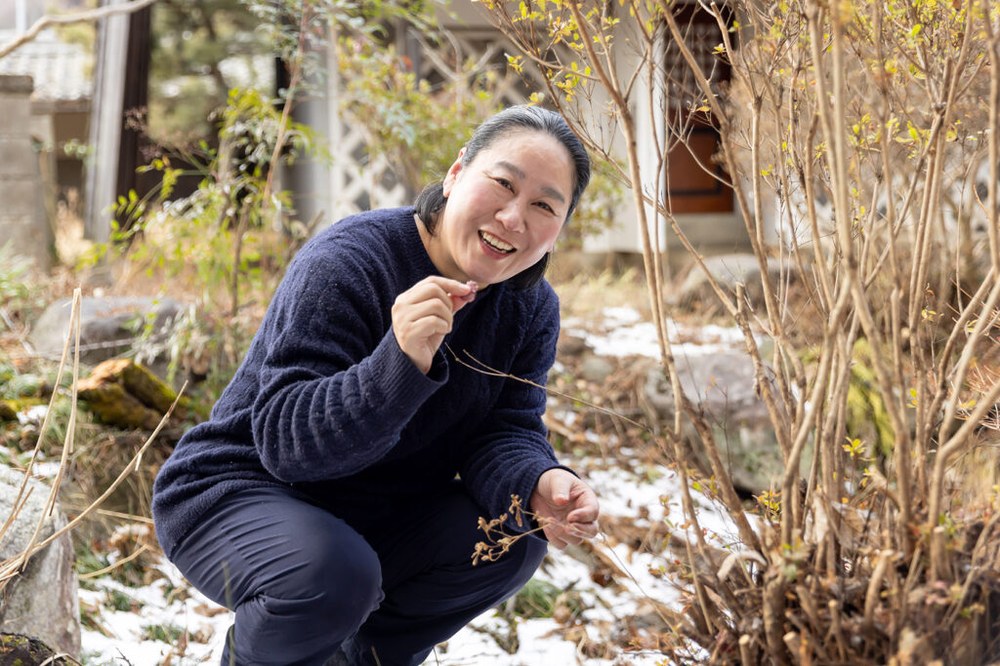
Naomi Oriyama gathering wild plants in a winter garden

Host

Naomi Oriyama

A cook and distiller specializing in Japanese herbs and wild plants. She lives in the mountains and supports women and young people in her local community.

Tour itinerary

Three nights, four days

Day 1

From afternoon

Ohdaira — Mountain village architecture and life

Day 2

Morning|All day

Ohdaira — Mountain village architecture and life / Local culture, architecture, and the cycles of nature

Day 3

Morning (choice of program)

A: Imada Puppet Theater / B: Japanese honeybee visit in Nakagawa Village / C: Kominka renovation site & Shiozawa Residence in Shimojo Village

Day 3

Afternoon

Tenryukyo — Apple culture and a farm stay

Day 4

Morning

Tenryu River wasen boat ride → Departure

Day 1 & Day 2

Ohdaira Mountain Village Architecture and Life

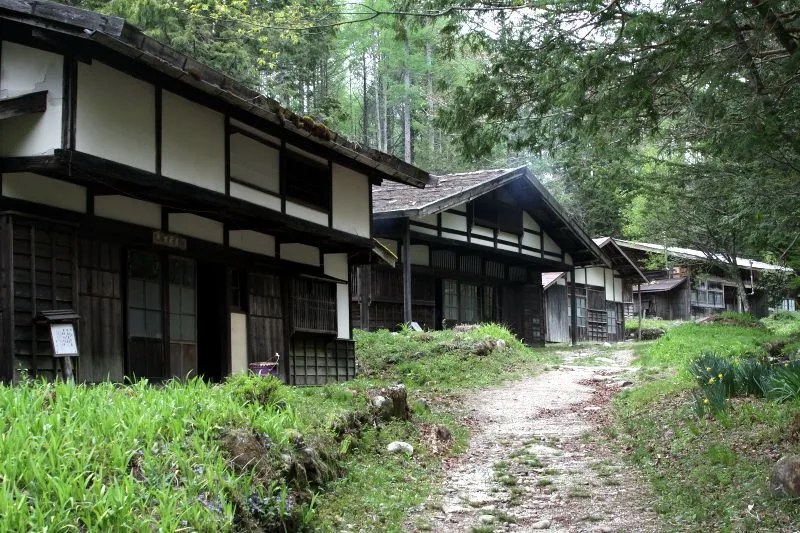
Wooden mountain-village houses along a forest path in Ohdaira

Ohdaira

Mountain village architecture and life

From the afternoon of Day 1 through the morning of Day 2, participants stay in Ohdaira, encountering the architecture and way of life passed down in this mountain village. Day 2 continues through the full day, exploring the relationship between local culture, architecture, and the cycles of nature.

Day 3, Morning

Choice of Program

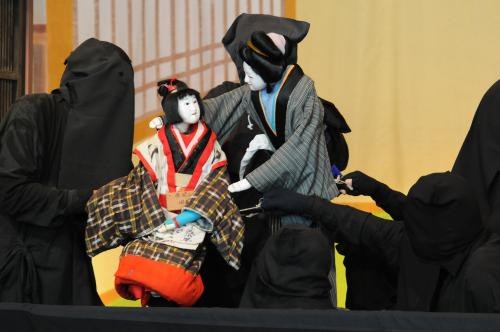
Puppeteers in black robes performing Imada ningyo joruri puppet theatre

1|Imada Puppet Theater

Imada Ningyo, a traditional performing art passed down in southern Shinshu, offers participants a window into local culture, prayer, and the history of people's daily lives. Through this puppet-and-narrative theater (ningyo joruri), visitors can sense the spiritual culture and values that have been carried across generations in this region.

Japanese honeybees on a golden honeycomb

2|Japanese Honeybee, Nakagawa Village

In Nakagawa Village, a beekeeping culture centered on the Japanese honeybee has long coexisted with the surrounding satoyama landscape. Japanese honeybees quietly live within nature's cycles, moving among the flowers of the land. During the visit, participants learn about the bees' way of life, their hives, and their relationship with the satoyama, gaining insight into the harmony and cycles of the natural world. “An environment where bees can live is also an environment where people can thrive.” Through the lives of these small creatures, participants experience a sense of people and nature living together.

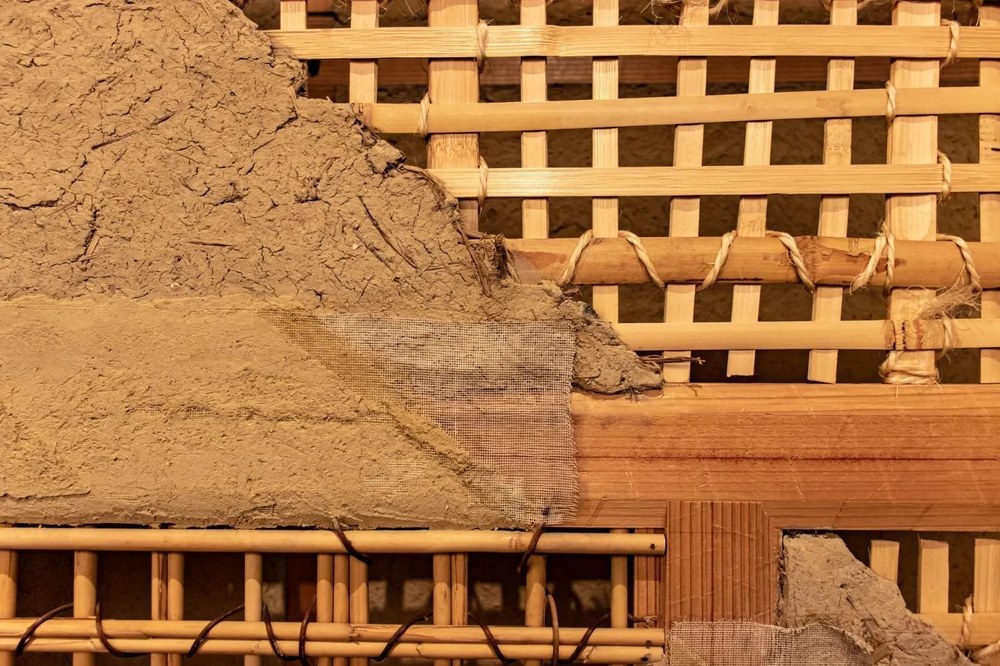
Earthen wall over a bamboo lattice in a traditional Japanese building

C|Kominka Renovation Site & Shiozawa Residence, Shimojo Village

In Shimojo Village, participants tour an ongoing kominka (traditional folk house) renovation project and visit the historic Shiozawa Residence. At the renovation site, the focus is not simply on preserving an old building, but on learning how the region's building techniques and the wisdom embedded in daily life can be carried into contemporary living. Participants experience firsthand the relationship between Japanese architecture and nature — through timber joinery, earthen walls, the use of natural materials, and spatial design that draws in wind and light. At the Shiozawa Residence, visitors can sense the building culture passed down through the generations, and the Japanese spatial beauty in which house, garden, people, and nature form a single whole. Through these actual spaces, participants come to understand that architecture is not simply a “building,” but a reflection of a region's climate, way of life, and values.

Day 3, Afternoon

Tenryukyo — Apple Culture and a Farm Stay

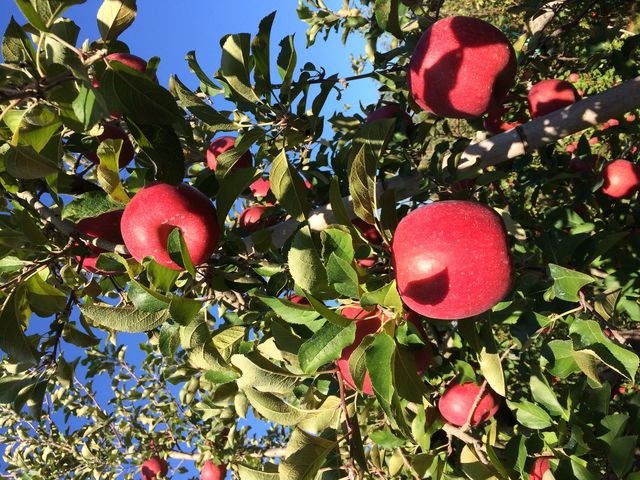
Ripe red apples on the branch against a blue autumn sky

Apple Picking

The area around Tenryukyo is known as one of the birthplaces of apple cultivation in southern Shinshu. Blessed with natural conditions such as sharp day-to-night temperature swings, abundant water, and river-terrace terrain, fruit growing has long been woven into daily life here. Apples here are more than a farm product — they have shaped the rhythm of the seasons, family work, and the landscape of the region itself. Through apple picking, participants sense the local way of life that has grown out of nature's cycles, and the relationship between people and the land.

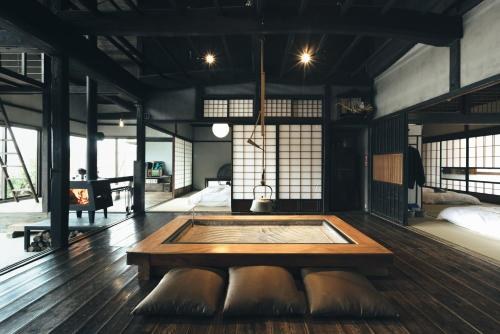
Interior of the kominka farm stay with a sunken hearth and dark timber floors

Farm Stay

In the evening, participants stay overnight at a local farmhouse, sharing the food of this land and time with local residents, and encountering the values and culture behind Japanese daily life. Here, a building is more than a place to sleep — it is a space that nurtures relationships among family, community, and people. Farm Stay “Tsubame to Tsuchi to” A space where the timeless charm of a kominka meets modern comfort. Inside, guests will find thick beams that carry a sense of history, sweeping views that reflect the changing seasons, a nostalgic sunken hearth (irori), a wood-burning stove for relaxing by the fire, and a goemon-buro bath that warms you from the core — a retro, chic space for rest and healing.

Day 4, Morning

Tenryu River Wasen Boat Ride

The Tenryu River flowing between rocky, forested cliffs

Tenryu River

On the final day, participants take to the Tenryu River aboard a traditional wasen boat, experiencing a local culture shaped by life alongside the river for generations. The river-boat culture that once supported the transport of goods and people reflects a wisdom of coexisting with — rather than controlling — nature, by reading the flow of the water and the shape of the land. Taking in the scenic beauty of the Tenryukyo gorge, participants experience the relationship between people and nature with their whole bodies. Afterward, the group departs, bringing the tour to a close.

Part of the Guest Journey

Last three days of the nine-day journey.

The Nagano retreat is one of two closing retreats in the Guest Journey,  7–16 October 2026.